Protecting your data may not be top of mind until something goes wrong. Operating systems and existing networks provide important safeguards, but they are only part of a complete security strategy. JTS Computers helps you protect valuable information on local networks, workstations, mobile devices, and in the cloud. We assess your needs and recommend practical layers of protection—including reliable backups, secure access, endpoint security, firewalls, and recovery planning—to reduce exposure to unauthorized access, malware, and data loss. Our goal is to help you understand your options and keep what matters most better protected.
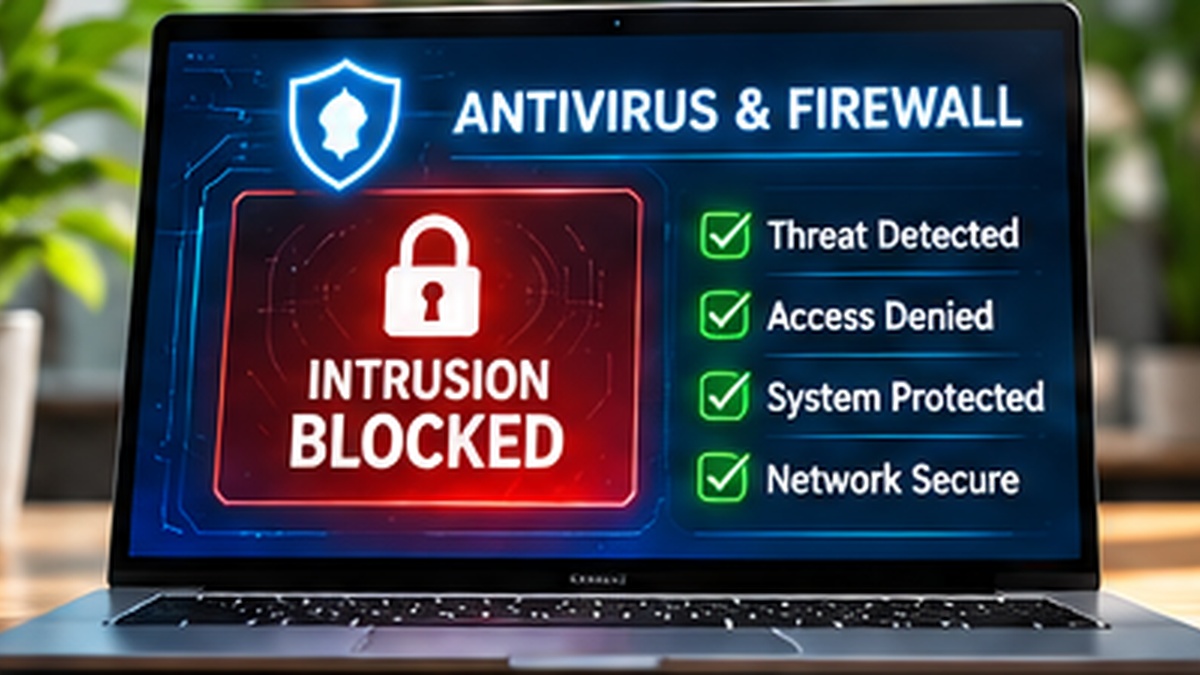
Backup and remote management technologyAntivirus and firewall protection to help block unauthorized access
How Data Gets Compromised — and How to Reduce the Risk
Real-world industry research highlights why security requires more than one tool. These are documented trends and common exposure scenarios, not incidents attributed to JTS customers.
Unprotected Devices & Ransomware
The 2025 Verizon Data Breach Investigations Report identified ransomware in 44% of the breaches it analyzed. A compromised endpoint or stolen credentials can allow an attacker to disrupt access to important files.
Protection strategy: Keep systems updated, use reputable endpoint protection and firewalls, require multifactor authentication, and maintain tested, isolated backups.
Cloud storage does not automatically guarantee safe permissions. Publicly exposed storage, excessive privileges, compromised accounts, or weak authentication can put sensitive information at risk.
Protection strategy: Review cloud sharing settings, apply least-privilege access, enable multifactor authentication, monitor account activity, and back up essential cloud data.
Weak network segmentation, unpatched devices, phishing, and unsecured remote access can enable attackers to move between systems. IBM's 2024 Cost of a Data Breach Report estimated an average global breach cost of $4.88 million across the organizations studied; individual losses vary widely.
Protection strategy: Segment networks, patch software, monitor unusual activity, restrict access, and rehearse recovery from reliable backups.